
Indian Legal System
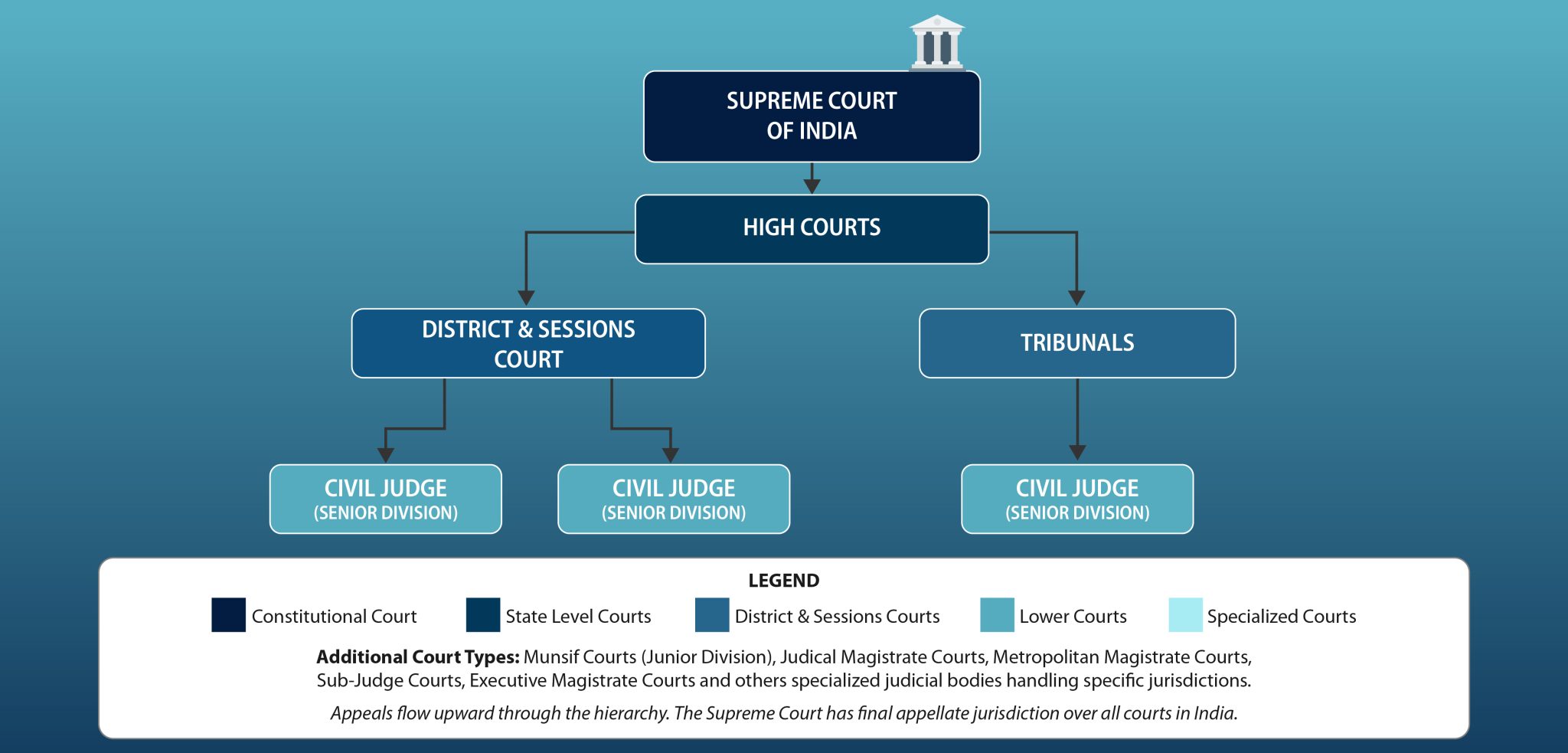
Indian judicial system
Structure of the Indian Judiciary System
BUSINESS LAW
Our experts prevent anti-bribery and corruption.
FAMILY LAW
Lawyers approach to solving problems.
TRADE LAW
Company advises in high-growth markets.
PATENT LAW
User generated content in real-time will have
The Supreme Court of India
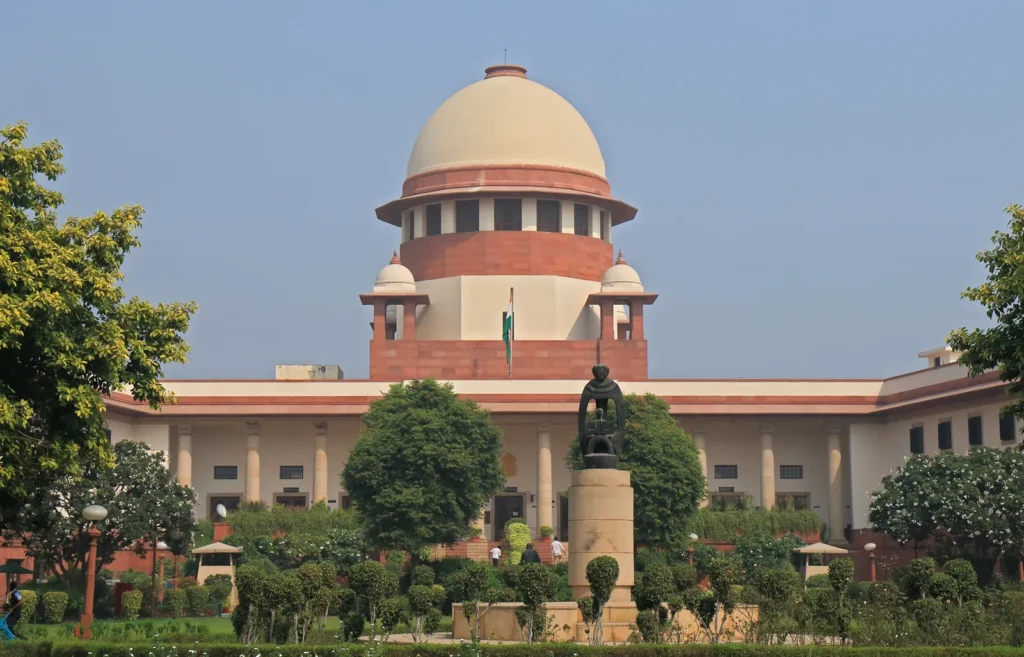
When can you approach the Supreme Court?
Direct Access for Fundamental Rights Violations
Appeals from Lower Courts
What the Supreme Court Does for You
Setting Legal Standards
Every decision made by the Supreme Court becomes the law of the land that all other courts must follow. This means that when the court interprets laws about property, employment, environment, or any other matter, that interpretation applies throughout India and protects all citizens equally.
Final Protection Against Injustice
The Supreme Court serves as your final safeguard against wrongful conviction, unfair treatment by government authorities, and violations of your constitutional rights. In criminal cases, it carefully reviews death sentences to ensure they meet the “rarest of rare” criteria and can stop prosecutions that are clearly being misused to harass innocent people.
Resolving Major Disputes
The Supreme Court has exclusive power to settle disputes between states or between the central government and states. It also handles challenges to presidential and vice-presidential elections and can advise the President on important legal questions affecting the nation.
What This Means for Your Legal Journey
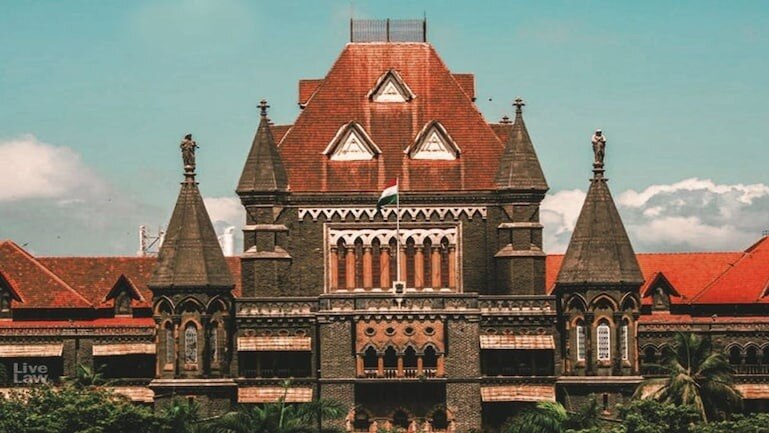
High Courts at the State level
When You'll Need the High Courts
Challenging Government Actions
High Courts have broader powers than even the Supreme Court when it comes to protecting your rights. While the Supreme Court can only issue writs for fundamental rights violations, High Courts can protect any legal right you have. This means if any government office, police department, or public authority acts illegally or unfairly toward you, the High Court is typically your first and most powerful recourse.
Civil Disputes and Appeals
For significant civil matters like property disputes, family issues, business conflicts, or appeals from lower courts, High Courts provide the expertise needed to resolve complex legal questions. They also handle election disputes for state and parliamentary seats, ensuring the democratic process remains fair and transparent.
Serious Criminal Cases
If you’re facing serious criminal charges, appealing a conviction, or seeking bail in non-bailable offenses, High Courts play a crucial role. They can review lower court decisions, quash false cases that are clearly being misused to harass you, and ensure that criminal proceedings follow proper legal procedures. Many wrongful prosecutions are stopped at the High Court level before they can cause further harm.
Public Interest and Social Change
High Courts are often the driving force behind social progress through Public Interest Litigations (PILs). This unique feature allows any concerned citizen or organization to approach the court on behalf of those who cannot speak for themselves. Environmental protection, corruption in government schemes, and welfare programs for the poor often see improvement through High Court interventions in PIL cases.
What This Means for Your Legal Journey
Understanding High Courts is crucial because they’re likely to be your primary contact with higher judiciary. They supervise all lower courts in your state, meaning they ensure District Courts and Magistrate Courts follow proper procedures and don’t exceed their authority. When local courts make errors or when you need protection from arbitrary government action, the High Court is your constitutional guardian at the state level, equipped with broad powers to ensure justice is served fairly and promptly.
District and Session Courts

How These Courts Are Structured
Civil Cases: Protecting Your Rights and Property
When you have disputes over property, contracts, family matters, or need compensation for damages, you’ll likely find yourself in the civil side of these courts. The District Court has unlimited jurisdiction in most states, meaning it can hear cases involving any amount of money unless specifically restricted. Whether you’re fighting a land dispute, seeking enforcement of a contract, or dealing with family inheritance issues, these courts provide the forum where your civil rights are protected and enforced.
Criminal Cases: Ensuring Justice for Serious Crimes
The Sessions Court handles all serious criminal offenses and has the power to impose any sentence allowed by law, including life imprisonment and even death sentences (though death sentences must be confirmed by the High Court). Below the Sessions Court, a network of Magistrate courts handles everyday criminal cases like theft, assault, traffic violations, and other common offenses that affect community safety.
What This Means for Your Legal Journey

Subordinate Courts: The Starting Point
How These Courts Are Structured
Civil Matters: Solving Everyday Disputes
When you have smaller civil disputes, you’ll likely start with a Junior Civil Judge who handles cases like rent control matters, small monetary claims, and execution of court orders. For slightly larger civil cases, Senior Civil Judges take charge and also hear appeals from Junior Division courts. This two-tier system ensures that your civil dispute gets appropriate attention based on its complexity and value.
Criminal Matters: Addressing Common Offenses
For most minor criminal cases – traffic violations, petty theft, small assaults, or public nuisance issues – Judicial Magistrates (First and Second Class) are your starting point. In major cities, these are called Metropolitan Magistrates but function similarly. These courts handle the bulk of criminal cases efficiently, allowing higher courts to focus on serious crimes while ensuring that minor offenses are dealt with promptly and fairly.
What This Means for Your Legal Journey
Specialized Courts and Tribunals
Family Courts: Protecting Relationships and Children
Family Courts handle all matters related to family disputes including divorce, child custody, maintenance, and property disputes between spouses. What makes these courts special is their focus on reconciliation rather than adversarial proceedings – they often involve counselors who encourage amicable settlements and create a more sensitive environment for handling personal family matters. If you’re dealing with family issues, these courts provide a less hostile and more understanding forum than regular civil courts.
Consumer Courts: Standing Up for Your Rights as a Buyer
Consumer Courts operate at district, state, and national levels to handle complaints about defective products, poor services, unfair business practices, and misleading advertisements. These courts offer a quicker, simpler, and cheaper way to seek compensation when businesses fail to meet their obligations to you. Whether it’s a faulty appliance, substandard food, or deceptive advertising, Consumer Courts provide an accessible mechanism to get justice without the complexity of regular civil litigation.
Lok Adalats: Settling Disputes Through Agreement
Family Courts handle all matters related to family disputes including divorce, child custody, maintenance, and property disputes between spouses. What makes these courts special is their focus on reconciliation rather than adversarial proceedings – they often involve counselors who encourage amicable settlements and create a more sensitive environment for handling personal family matters. If you’re dealing with family issues, these courts provide a less hostile and more understanding forum than regular civil courts.
Fast Track Courts: Justice When Time Matters Most
Family Courts handle all matters related to family disputes including divorce, child custody, maintenance, and property disputes between spouses. What makes these courts special is their focus on reconciliation rather than adversarial proceedings – they often involve counselors who encourage amicable settlements and create a more sensitive environment for handling personal family matters. If you’re dealing with family issues, these courts provide a less hostile and more understanding forum than regular civil courts.